
Greece
Source of Funds When Buying Greek Property: What You Must Prove
Banks and notaries in Greece ask where the money came from. A practical list of evidence, the bank checks for non-residents and where guides disagree.
Author: Ways to Europe teamPublished: 5 min read
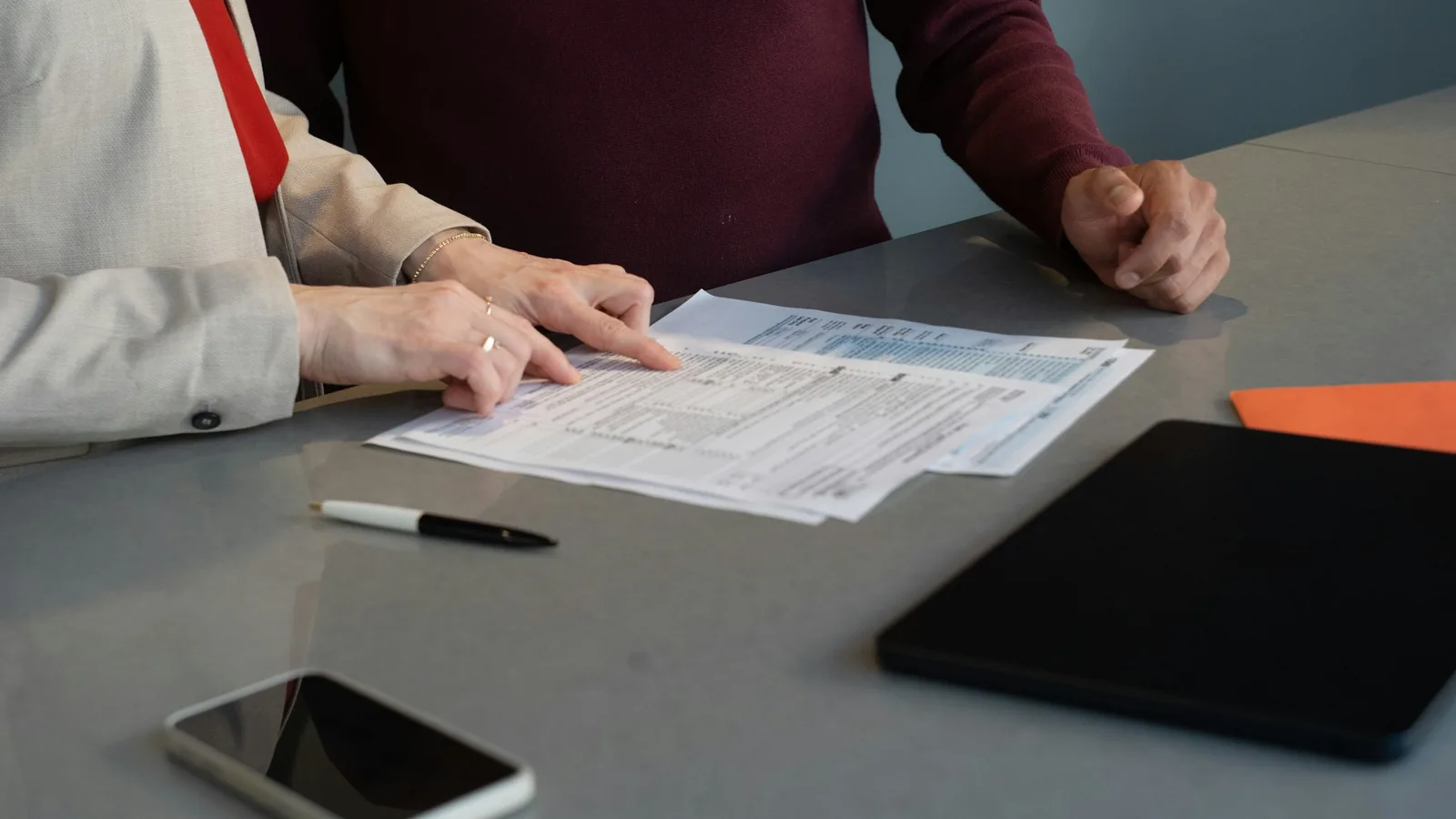
For a purchase of any size, the money should arrive through the banking system with a documented origin, because Greek banks apply EU anti-money-laundering rules and the same paper trail supports your tax position. The guides we read agree on that and differ on several details, such as whether a Greek bank account is strictly required. None of them is an official publication, so confirm the current requirements with your Greek lawyer, the notary and the bank before you transfer funds.
What evidence is usually asked for
- Bank statements for several months from the account the money leaves, showing the funds sitting there.
- Proof of how the wealth was made: a sale contract for a business or a property, tax returns, dividend or salary records, or inheritance papers.
- The transfer itself: a bank-to-bank euro transfer in your name; for non-euro transfers, the currency conversion confirmation.
- A notarised statement on the origin of the capital, which some guides mention and others do not.
- Identity and address documents: passport, Greek tax number (AFM), proof of address.
Where the guides differ
| Point | What we found |
|---|---|
| Greek bank account | Some guides say it is usually needed to pay; another says you can pay without one if euro transfers are planned carefully. |
| The notary | One source says a notary cannot close without acceptable evidence of the source of funds. We found it in one source only and treat it as unconfirmed. |
| Crypto-funded closing | Discouraged: one guide says traceable bank-to-bank transfers are expected. |
| Timing | Banks may run enhanced checks on non-resident buyers, taking a few weeks and producing extra requests. |
If you buy by power of attorney
A buyer who cannot attend signs a notarised and apostilled power of attorney. Read buying property in Greece remotely first, and keep the originals of every document you send.
How to prepare, in order
- Map the money first. Write down where each euro of the price came from, with a document for each source.
- Move it early. Transfer to a Greek account before the deal is close, so a bank query does not delay the signing.
- Keep one name. The sender, the account holder and the buyer should match; a transfer from a third party raises questions.
- Ask for the bank's list in writing, and for the notary's, rather than relying on a general list.
- Keep copies: the same file helps at the residence permit stage; see the documents checklist.
What is not covered here
Each bank sets its own thresholds and forms, and we found no official list. Large or complex wealth, for example a trust or a company in several countries, needs a lawyer to prepare the file in advance.
Sources: Sotheby's International Realty Greece buyer advisory; You Overseas Home; Global Law Experts and Greek law-firm guides, as described. Informational, not legal advice.
What next
Work out the full cost, look at the projects for the program or leave a request: a consultant picks an option for your budget and family.
Read also
Greece
Buying Greek Property Through a Company: Does It Count for the Visa?
Can a company buy the property for a Golden Visa? Law-firm guides say the investor must own 100% of an EU-based entity; the IBA is silent. What to ask.
10 November 2026 · 5 min read
Greece
Europe's Flat Taxes for the Wealthy in 2026: Greece vs Italy
Greece charges €100,000 a year on foreign income, Italy €300,000 from 2026. Conditions, family add-ons, look-back rules and what the sources leave open.
10 November 2026 · 5 min read
Greece
Greece's 7% Tax for Foreign Pensioners: Article 5B Explained
A flat 7% on foreign income for up to 15 years if you retire to Greece: who qualifies, the 2026 deadlines, how to apply and what sources disagree on.
10 November 2026 · 5 min read


Golden Visa by investment amount
- €800,000€800,000 is the threshold for the most sought-after locations: Attica with Athens, Piraeus and the Athens Riviera, Thessaloniki, Mykonos, Santorini and islands with more than 3,100 residents.
- €400,000€400,000 is the threshold for all regions of Greece except the most sought-after ones: the mainland outside Attica and Thessaloniki and small islands with up to 3,100 residents.
- €250,000€250,000 is the reduced threshold. It applies anywhere in Greece, including central Athens, but only to two kinds of property: premises converted to residential use and listed historic buildings being restored.
For Russian citizensFor Turkish citizensFor Chinese citizensFor Ukrainian citizens