
Cyprus
Cyprus Residence Permit Types 2026: Which One Fits
Cyprus residence permit types in 2026: EU registration, temporary permits, Category F, the investment fast track, digital nomad and long-term status.
Author: Ways to Europe teamPublished: 6 min read
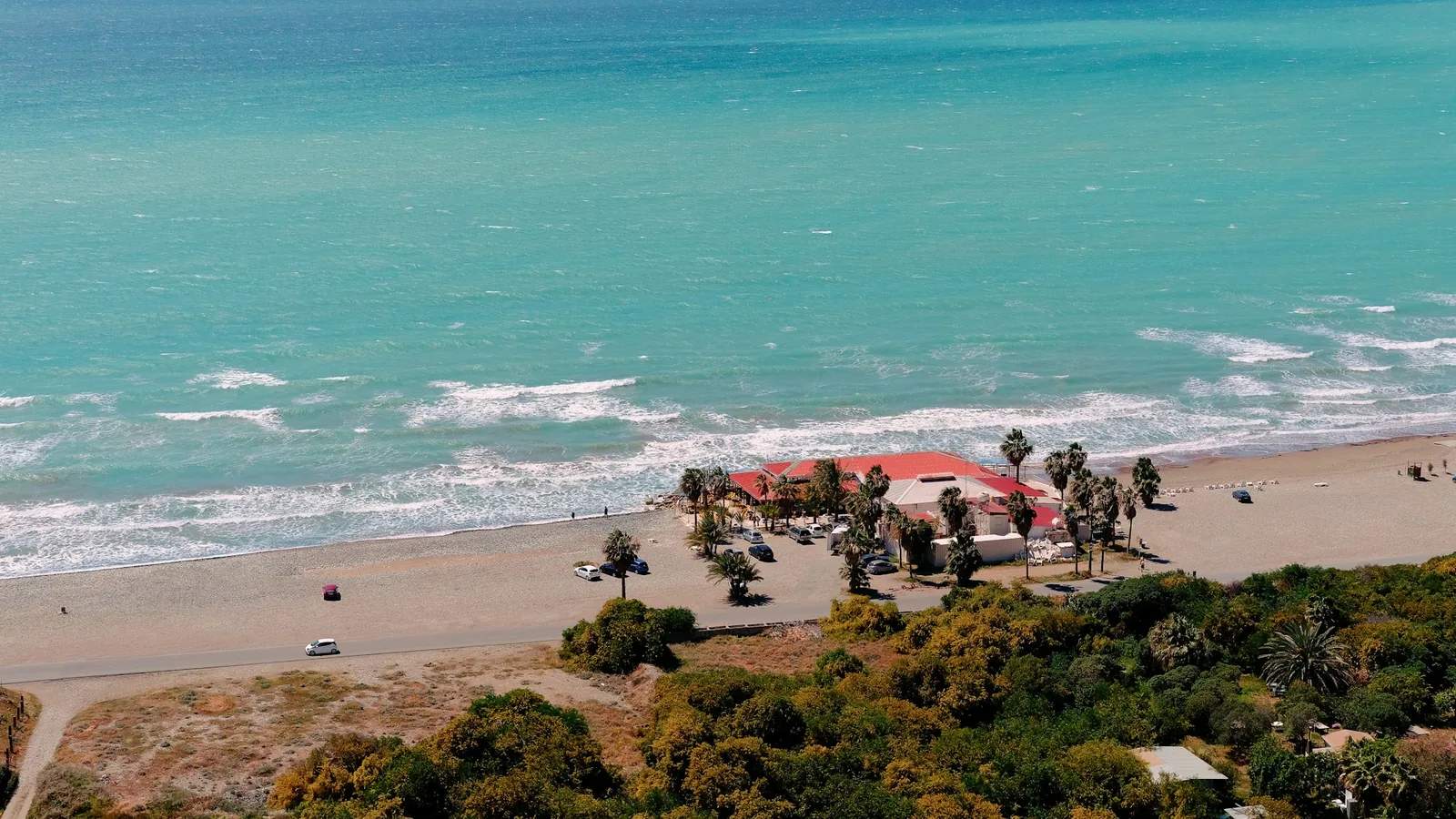
Cyprus has no single residence permit: it has several, and the right one depends on whether you have income from abroad, property to buy or a job. For non-EU citizens the two routes that lead to permanent residence are Category F (income from outside Cyprus) and the investment fast track (new residential property from €300,000 plus VAT). Citizens of the EU register instead. This page sets the types side by side, with the figures where the sources agree and a clear note where they do not.
The types at a glance
| Type | Who it is for | Main requirements | Validity | Work in Cyprus |
|---|---|---|---|---|
| EU, EEA and Swiss registration (yellow slip) | EU, EEA and Swiss citizens staying more than 90 days | Employed, self-employed, studying or self-sufficient with health insurance; register within four months of arrival | Not stated | A qualifying basis includes work |
| Temporary purpose-based permit (pink slip) | Non-EU citizens living in Cyprus for work, study or other stated reasons | Passport, accommodation, income or employment, health insurance, clean record | Usually one year, renewable | Only if the permit grants it |
| Category F permanent residence | People with stable income from abroad, often retirees | Foreign income, no income from employment in Cyprus, a Cypriot bank account, a clean record | Permanent | Employment in Cyprus is not allowed |
| Investment fast track | Buyers of new residential property | Property of €300,000 plus VAT, foreign income, a clean record | Permanent | Not stated |
| Digital nomad permit | Remote workers for employers or clients abroad | About €3,500 net a month, health insurance, a clean record | One year, renewable up to three years in total | No work for Cypriot companies |
| Long-term residence | Non-EU citizens after five years of continuous legal residence | Stable income, integration, no serious criminal record | Permanent or long-term | Not stated |
The table follows the Cyprus Mail guide of 28 January 2026. Citizenship is a separate procedure with stricter rules, not a residence permit.
Category F: income instead of investment
- Income. The historical figure is about €9,600 a year for the main applicant, and a 2023 law-firm guide gives €9,568 plus €4,613 per dependant. One other source gives a much higher figure, so confirm the current amount with the Civil Registry and Migration Department before you plan.
- Family. The 2023 guide says a spouse and children under 18 can be included, and parents cannot.
- No work in Cyprus. The permit is for people who do not need to work there.
- Presence. Sources disagree: one says the permit stays valid if you visit at least once every two years, another says it can be cancelled after two consecutive years of absence. Treat a visit every two years as the safe plan.
- Time. The sources say processing takes several months and cannot be reliably estimated.
The investment fast track: property instead of waiting
- Investment. New residential property of €300,000 plus VAT. Our guide to Cyprus permanent residency through property covers the property rules, and VAT on property in Cyprus the 5% and 19% rates.
- Income. The Cyprus Mail gives €50,000 a year for a single applicant, €15,000 for a spouse and €10,000 per dependent child. Our older guide gives a different figure for a spouse, so ask your lawyer which one the Migration Department applies.
- Time. The Cyprus Mail says two to four months; other pages on our site and elsewhere give longer. No source guarantees a date.
- Presence. The sources say no minimum stay is needed beyond keeping the residence, but disagree on how often you must visit.
The other routes
- Digital nomad permit. About €3,500 net a month, one year at first and up to three years in total, with no employment from a Cypriot company.
- Long-term residence. Available after five years of continuous legal residence and does not depend on property.
- Pink slip. In practice the pink slip is the temporary permit that lets a non-EU citizen live in Cyprus for more than 90 days under Category F, the digital nomad permit or an employment permit. It is not a visitor visa.
One source adds that from 1 September 2026 the Migration Department asks for medical documents with every application in Categories A to F. We could not confirm it from an official page.
Tax is a separate question
Permanent residence does not make you a tax resident. The Non-Dom regime depends on tax residency and on staying in Cyprus long enough, not on the permit: read the 60-day tax residency rule and property taxes in Cyprus. Cyprus is in the EU but, as of our last check, not in the Schengen area.
Which one fits
| If you | Look at |
|---|---|
| Have stable income from abroad and do not need to work in Cyprus | Category F |
| Want to buy new property and have the income the programme asks for | The investment fast track |
| Work remotely and want to try living in Cyprus first | The digital nomad permit |
| Have already lived in Cyprus legally for five years | Long-term residence |
| Compare Cyprus with Greece | Greek residence permit types and Greece or Cyprus |
See the Cyprus permanent residency page for the programme and the Greek residence permit and Cyprus permanent residence comparison.
Sources: Cyprus Mail, "Cyprus residency requirements, visas, permits and permanent residence explained" (28 January 2026); Dixcart, "Category F (Slow Track) permanent residence permit" (15 May 2023); law-firm and consultancy guides as described. The income figures differ between sources and we found no official Cyprus page that fixes them: check the Civil Registry and Migration Department. Informational, not legal or tax advice.
What next
Work out the full cost, look at the projects for the program or leave a request: a consultant picks an option for your budget and family.
Read also
Cyprus
Cost of Living in Cyprus 2026: Limassol, Paphos, Larnaca, Nicosia
Monthly cost of living in Cyprus in 2026: one-bedroom rents by city, realistic budgets for one person and a couple, and why the sources disagree.
11 November 2026 · 5 min read
Cyprus
Cyprus Property Prices 2026: Limassol, Paphos, Larnaca and Nicosia
Where Cyprus property prices rose fastest in 2026 according to the Central Bank index, what average apartment prices are and where the sources disagree.
11 November 2026 · 5 min read
Cyprus
GESY in Cyprus 2026: Public Healthcare for Newcomers and What to Add
Who can use Cyprus' public health system GESY, how contributions work, why eligibility is not automatic and when newcomers add private insurance.
11 November 2026 · 5 min read