
Greece
Analysis of the European real estate market in 2026: Rising property prices in European capitals
In 2026, the European real estate market has finally ceased to be a “single organism.” We are seeing an unprecedented gap between a stagnant North and a…
Author: Ways to Europe teamPublished: 3 min read
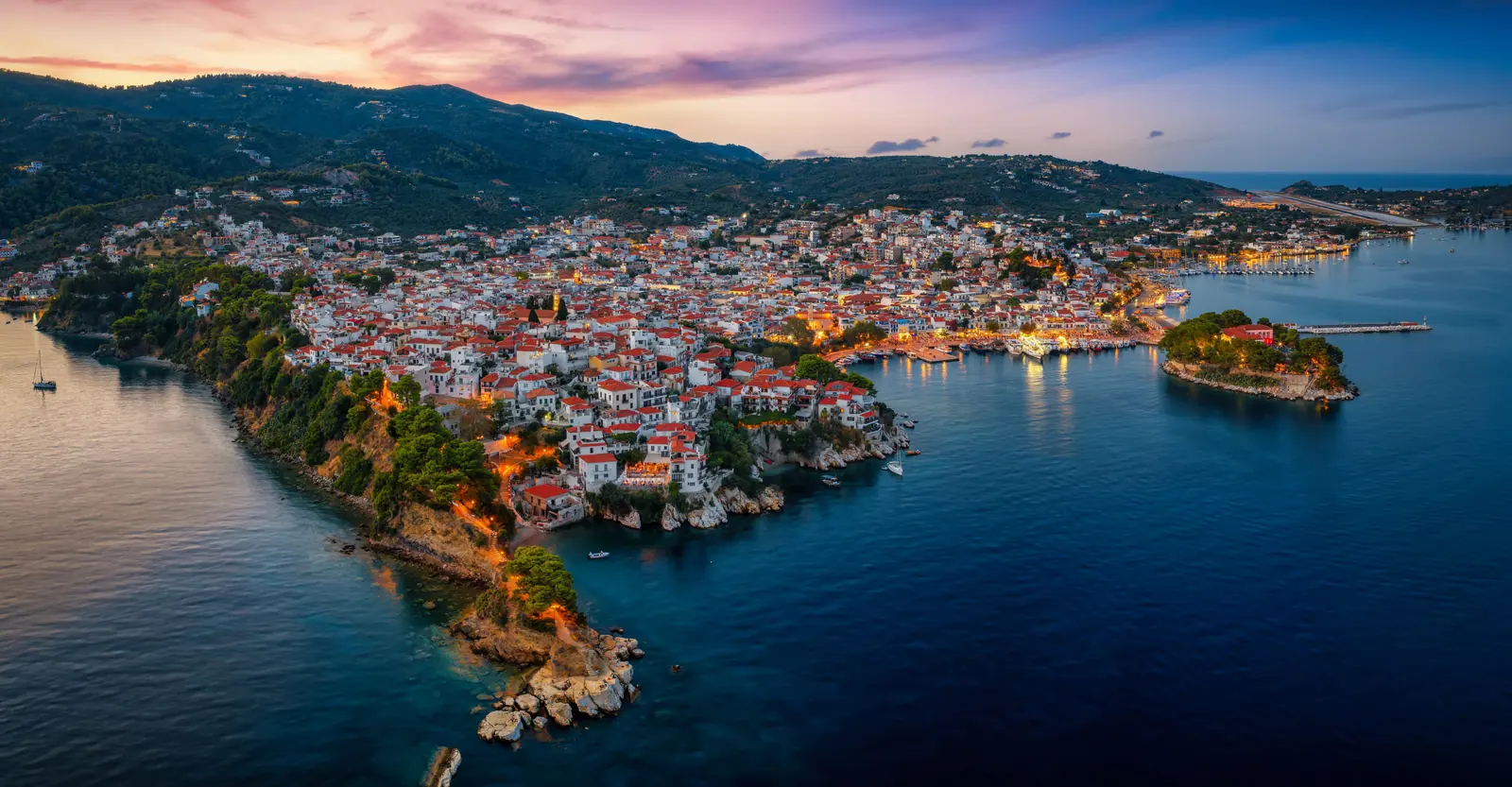
In 2026, the European real estate market has finally ceased to be a “single organism.” We are seeing an unprecedented gap between a stagnant North and a rapidly growing South. Analyzing data from Global Property Guide, one can conclude: investment success today depends not on choosing a country, but on understanding deep recovery cycles and local shortages.
Why are Croatia and Greece at the top?
The leadership of Croatia (+13.79%) and Greece (+7.69%) over the last year is not a short-term hype, but the result of fundamental shifts.
- Shortage in Croatia: Joining Schengen and the euro area in 2023–2024 opened the floodgates for Western European pension funds. Zagreb and the coastal cities are now following the path Poland and the Czech Republic took 10 years ago. This is “safe growth” amid integration.
- The Greek “spring effect”: Look at Greece’s 15-year statistics: +19.87%. By comparison, Estonia grew by 237% over the same period. This means the Greek market spent a decade in depression and is only now beginning to “unlock” its potential. Growth of 62.69% over the last 5 years is only the beginning of a return to fair 2008 prices.
Expert conclusion: Greece today is the clearest asset from a “Value Investing” perspective (buying undervalued assets). The Athens market still has another 40–50% of upside left just to reach parity with other Southern European capitals.
Northern Europe: Already no longer relevant?
The situation in Finland (-0.86%) and the slowdown in Germany (+3.29%) reflect the cost-of-living crisis and high interest rates.
- Finland has become hostage to its transparency and sensitivity to ECB rates. Prices have been falling for 5 years (in total -2.62%).
- Germany is recovering, but extremely slowly. 10-year growth of 53.29% has been eaten away by the inflation of the last three years.
Strategic thought: For a conservative investor, the current stagnation in Helsinki or Berlin is a rare “window of opportunity” to enter a buyer’s market. Here, you can negotiate and pick up properties below construction cost.
Cyprus and its new role
Cyprus (+5.03% in a year) is showing a remarkable transformation. The 15-year growth figure is practically zero (+2.63%), which scares inexperienced investors. However, the 5-year growth of 29.38% reveals the true picture.
- From offshore to IT hub: Cyprus has stopped being a place to “park” money and has become a place to live. The relocation of thousands of tech companies has created colossal demand for rentals, which is not reflected in the sales charts, but directly affects yield.
- Limited resource: The island’s geography limits supply. In Limassol and Paphos, there is literally no land left for development on the waterfront, which makes the current price growth irreversible.
What actually affects prices?
- Geopolitical turmoil: Real estate in Greece, Cyprus, and Italy has become a “safe haven” for capital from Israel, Turkey, and Lebanon. This money does not depend on European mortgage rates — it is direct cash inflows (Cash buyers) that cement the market.
- Construction sector erosion: The cost of building materials and a shortage of skilled labor in the EU have made construction expensive. In many countries, the market price per square meter has come very close to the cost of construction. This creates an “iron floor” under prices — they simply have nowhere to fall.
- Tourist cannibalism: Short-term rentals (Airbnb) continue to drain housing stock from long-term use. This pushes up rental rates and, as a result, the investment attractiveness of owning square meters.
It is important to understand that in the growth leaders (Greece, Ireland, Cyprus), rental yield (Rental Yield) is growing faster than the value of the properties themselves. This makes real estate not only a savings instrument, but also a source of high passive income, since the housing shortage in capital cities forces rents to keep reaching new historical highs.
In 2026, real estate in Europe ceased to be a passive asset. It is a market for those who are ready to analyze cycles. While some fear stagnation in Finland, professionals are snapping up undervalued square meters in Greece, understanding that the next such cycle will not repeat for another 15–20 years.
What next
Work out the full cost, look at the projects for the program or leave a request: a consultant picks an option for your budget and family.
Read also
Greece
Can You Rent Out Golden Visa Property in Greece? Rules for 2026
Long-term letting is allowed for a Golden Visa property in Greece; short-term letting such as Airbnb and subletting are banned. Fines, exceptions and what to check.
3 November 2026 · 4 min read
Greece
Can You Work in Greece on a Golden Visa?
The Golden Visa is a residence permit, not a work permit. What sources say about employment and self-employment, and what to confirm with a lawyer.
3 November 2026 · 4 min read
Greece
Does the Greek Golden Visa Make You a Tax Resident?
The Golden Visa does not make you a Greek tax resident by itself. The 183-day rule, centre of vital interests, the non-dom option and what to plan with an adviser.
3 November 2026 · 4 min read

Golden Visa by investment amount
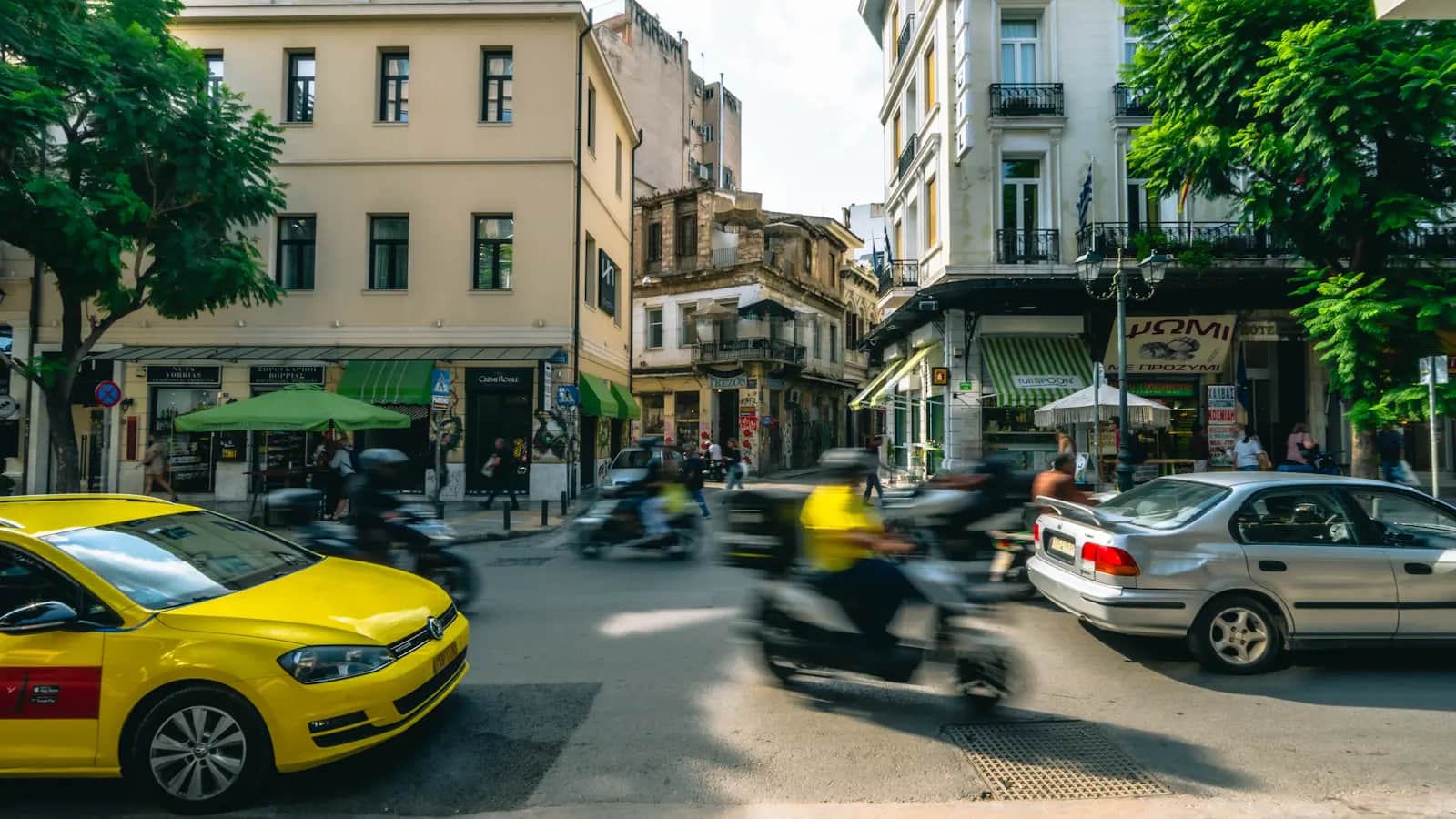
- €800,000€800,000 is the threshold for the most sought-after locations: Attica with Athens, Piraeus and the Athens Riviera, Thessaloniki, Mykonos, Santorini and islands with more than 3,100 residents.
- €400,000€400,000 is the threshold for all regions of Greece except the most sought-after ones: the mainland outside Attica and Thessaloniki and small islands with up to 3,100 residents.
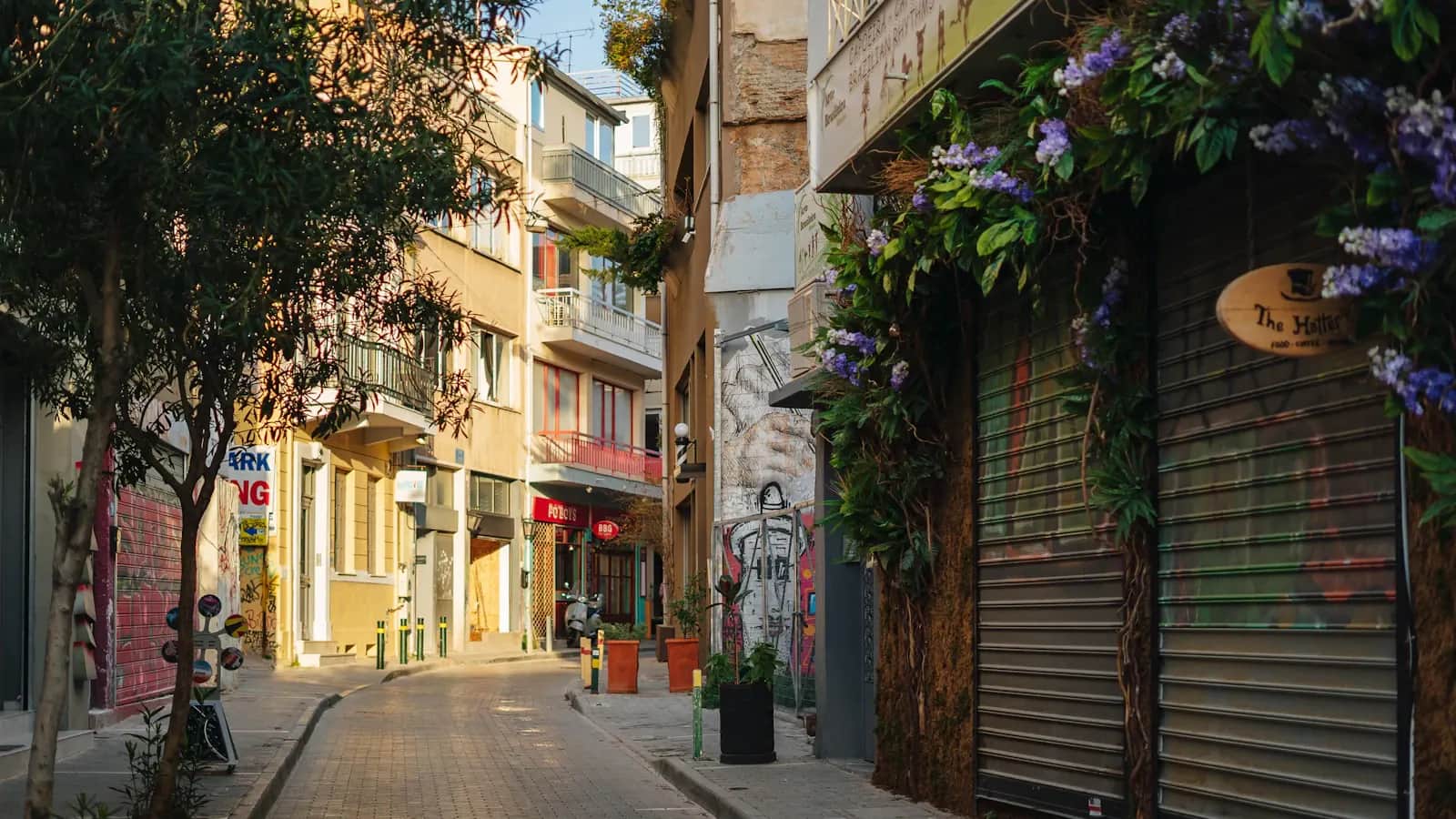
- €250,000€250,000 is the reduced threshold. It applies anywhere in Greece, including central Athens, but only to two kinds of property: premises converted to residential use and listed historic buildings being restored.
For Russian citizensFor Turkish citizensFor Chinese citizensFor Ukrainian citizens