Citizenship
April 14, 2026
6
minute

How to Obtain an EU Passport in 2026
The European Union passport remains one of the strongest tools for personal freedom, mobility, and long-term planning. It grants the right to live, work, study, and do business in EU countries, simplifies travel, expands access to education and healthcare, and creates a more stable Plan B for the family. In 2026, obtaining an EU passport is possible, but it almost always requires time, a legal basis, residency, integration, and a properly built strategy.
In this article, we will break down the main ways to obtain EU citizenship in 2026: by descent, through naturalization after residency, through marriage, investment pathways, repatriation programs, and long-term residency. We will also include comparative tables and charts to make it easier to assess the timelines, complexity, and practical benefits of each path.
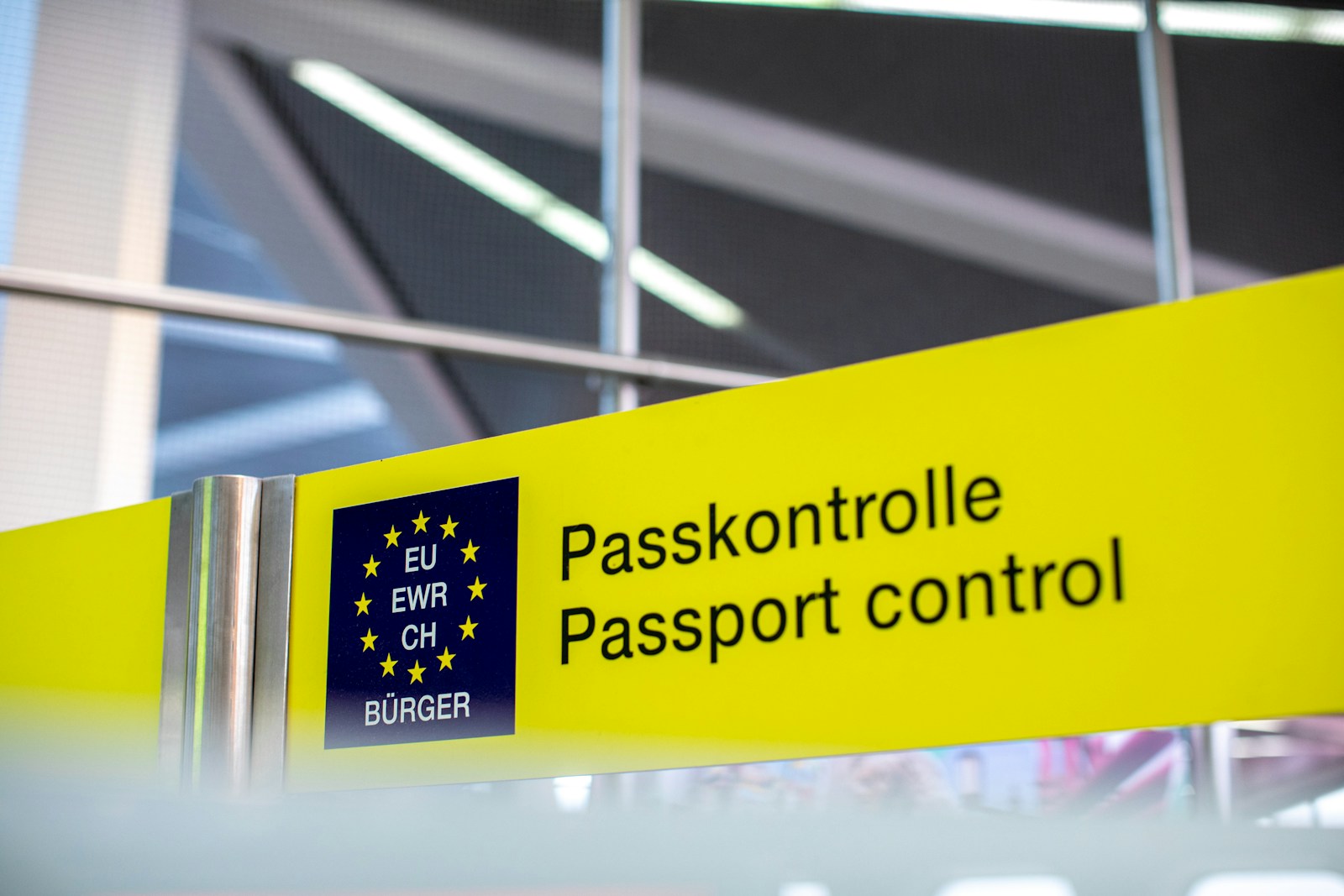
What an EU Passport Offers
Citizenship in one EU country effectively opens access to the entire EU space. An EU citizen can freely reside and work in other countries of the Union, enjoy the right to education, start a business, buy real estate, and move within the EU without the immigration restrictions that apply to third-country nationals.
The right to live, work, and study in the countries of the European Union.
Visa-free or simplified travel to many countries around the world.
Access to European education, healthcare, and social systems according to the rules of the specific country.
The opportunity to pass citizenship on to children, if permitted by national legislation.
The Main Ways to Get an EU Passport in 2026
There is practically no universal "buy an EU passport" program in a reliable and direct form in 2026. Most legal paths are built around descent, residency, marriage, repatriation, or a gradual transition from temporary residence (TRP) to permanent residence (PRP) and then to citizenship. Below are the key routes.
1. EU Citizenship by Descent
The fastest path to an EU passport is to confirm the right to citizenship by descent. Some EU countries allow descendants of their citizens to restore citizenship if there are documents proving the family line. Most often, such cases are found in Italy, Ireland, Poland, Hungary, Romania, Bulgaria, and some other countries, but the rules vary greatly.
The advantage of this path is that sometimes it does not require living in the country for many years. The main difficulty is gathering archival documents, proving an unbroken family line, and properly formatting translations, apostilles, and applications.
2. Naturalization after TRP and PRP
The most common path is to first obtain a temporary residence permit (TRP) in an EU country, then live there for the established period, meet the integration, language, tax, and clean criminal record requirements, and then apply for citizenship. Depending on the country, the path can take from 5 to 10 years or longer.
This route is suitable for families, entrepreneurs, remote specialists, and investors who are ready to build a real connection with the country. A TRP can be obtained through work, business, study, financial independence, real estate, or other legal grounds.
3. Citizenship through Marriage
Marriage to an EU citizen can shorten the timeframe for getting citizenship, but it almost never grants a passport automatically. Usually, you need to confirm the authenticity of the marriage, cohabitation or connection to the state, language proficiency, and clean record. The timelines and requirements differ from country to country.
4. Investment TRP as a Path to an EU Passport
Golden Visa and other investment TRPs can be the first step towards citizenship, but it is important to understand: the investment usually grants residency, not a passport. To qualify for citizenship later, you often need to actually reside in the country, comply with renewal rules, meet language requirements, and prove integration.

Chart: Estimated Timelines to an EU Passport
Below is an approximate comparison of timelines. The actual timeframe depends on the country, grounds, quality of documents, residency requirements, and the workload of the authorities.
Route | Timeline Estimate | Complexity |
|---|---|---|
By descent | 1–3 years | Depends on archives |
Through TRP and naturalization | 5–10+ years | Requires residency |
Through marriage | 2–5+ years | Real connection needed |
Through investment TRP | 5–10+ years | Depends on residency |
Chart: Which Countries Are Most Often Chosen for the EU Passport Journey
Country | Why Chosen | Estimate |
|---|---|---|
Portugal | Clear path after TRP, quality of life | Around 5+ years if conditions are met |
Greece | Golden Visa, real estate, family relocation | Longer if citizenship is the ultimate goal |
Italy | Citizenship by descent | Depends on documents and queues |
Romania / Bulgaria | Repatriation and restoration of citizenship | Only if grounds exist |
What Documents Are Needed for an EU Passport Strategy
Passport, birth, and marriage certificates, documents on name changes.
Documents confirming descent, residency, income, investment, or family connection.
Police clearance certificates, tax documents, proof of address, and health insurance.
Translations, apostilles, and legalization of documents according to the specific country's requirements.

Mistakes That Prevent Getting an EU Passport
Choosing a country based solely on the promised timeframe, without considering the physical residency requirements.
Confusing TRP, PRP, and citizenship: these are different statuses with different rights.
Underestimating the language exam, integration requirements, and tax history.
Beginning the process without verifying documents for descent, marriage, or investments.
FAQ: How to Obtain an EU Passport in 2026
Can I buy an EU passport in 2026?
There is virtually no reliable legal route to "buy an EU passport" directly. Investments can grant residency, but citizenship usually requires physical presence, integration, language proficiency, and law compliance.
Which EU country grants citizenship the fastest?
The fastest cases are usually related to citizenship by descent or repatriation. For naturalization after TRP, the timelines depend on the country and usually comprise several years of actual residency.
Can I get an EU passport through a Golden Visa?
Yes, in some countries, a Golden Visa can be the first step to citizenship, but only if the applicant meets the subsequent requirements: residence, status renewal, language, integration, and lack of offenses.
Does the EU allow dual citizenship?
The issue of dual citizenship is regulated not by the EU as a whole, but by the laws of each country. Some states allow dual citizenship, while others restrict it or apply conditions.
Conclusion
Obtaining an EU passport in 2026 is realistic, but the path depends on your personal status. The fastest routes involve descent, repatriation, or marriage, while the most universal ones relate to TRP, residence, and naturalization. Investment programs can help secure residency but do not substitute for citizenship requirements. The best approach is to first determine your legal grounds, then choose a country, evaluate timelines, documents, taxes, and residency requirements, and only after that build your strategy to secure an EU passport.