Citizenship
April 14, 2026
6
minute

Dual Citizenship: Updated List of 123 Countries Where It Is Allowed in 2026
Dual citizenship has long ceased to be a rare exception. In 2026, more and more countries recognize that a person can legally belong to two countries at once—by birth, descent, marriage, naturalization, investment, or long-term residency. For international families, entrepreneurs, remote professionals, and investors, understanding where dual citizenship is permitted helps build tax planning, relocation strategies, inheritance, children's education, and personal safety.
In this article, we explain what dual citizenship means, how the rules differ from country to country, and present an updated list for 2026 of 123 nations that permit dual citizenship in one form or another. Citizenship laws change, so it is important to verify your specific situation using official sources or with a specialized lawyer before applying.
What Is Dual Citizenship?
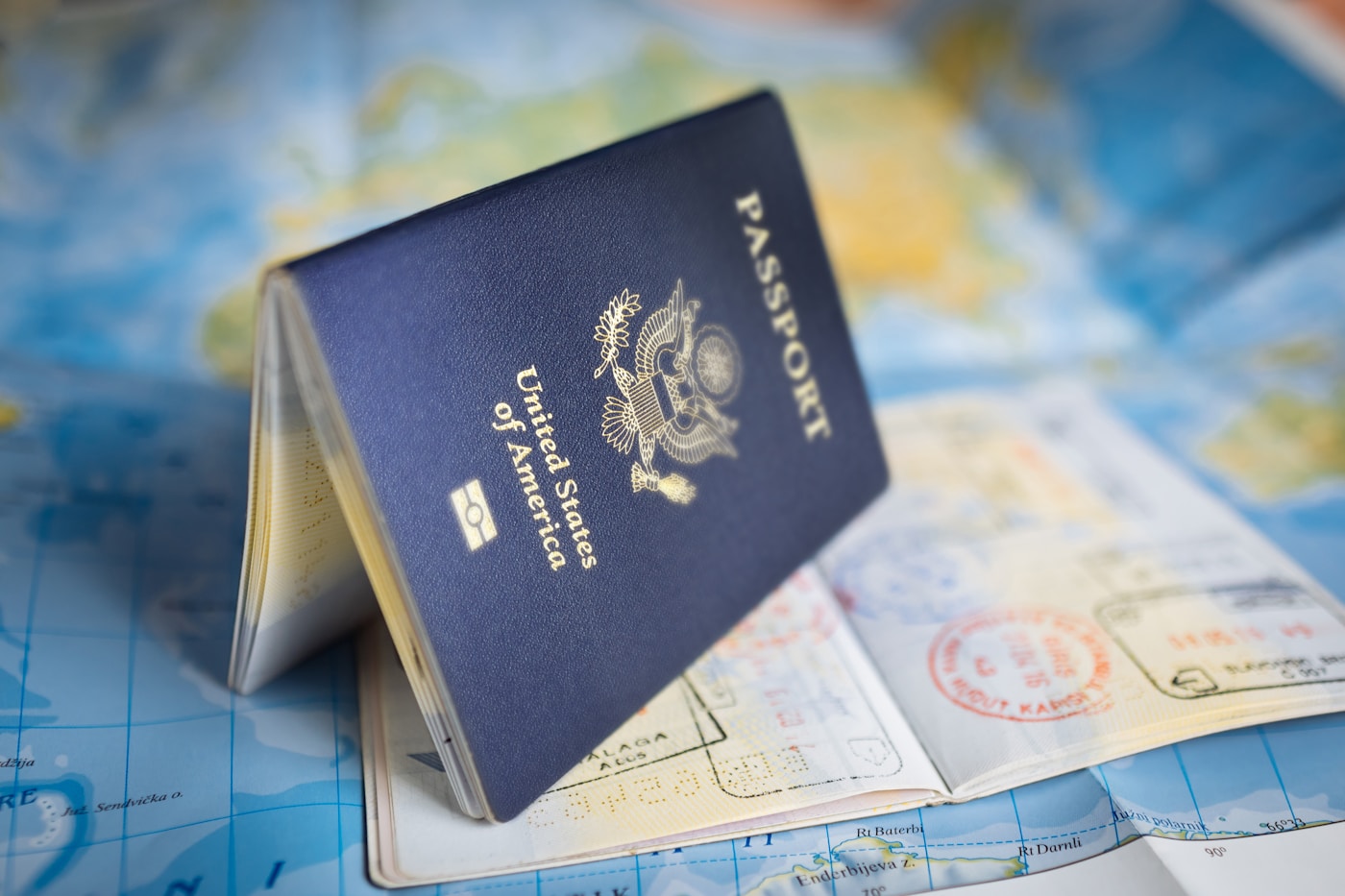
Dual citizenship, or dual nationality, means that a person is simultaneously recognized as a citizen of two states. Such a person can hold two passports, enter and reside in both countries, enjoy certain public services, and, in many cases, pass citizenship on to their children. Specific rights and responsibilities depend on the constitution, citizenship law, tax regulations, military service requirements, and international agreements of each country.
Some countries fully permit dual citizenship. Others allow it only in specific cases: for example, if citizenship is acquired at birth, through marriage, or if the other nation does not permit renouncing citizenship. Some jurisdictions recognize dual citizenship but restrict access to public office, military service, diplomatic positions, or certain voting rights.
Why Dual Citizenship Matters in 2026
The demand for second citizenship continues to grow: families seek more mobility, geopolitical diversification, access to quality healthcare and education, and a reliable Plan B. A second passport can expand visa-free travel, simplify residency in another region, and create long-term advantages for children. For investors and business owners, citizenship can also be tied to banking access, corporate structuring, estate planning, and freedom of movement.
However, dual citizenship brings not only benefits. It can also create obligations. Depending on the countries involved, a citizen may need to consider tax residency, reporting requirements, military service, inheritance law, and restrictions on holding public office. It is safest to evaluate not only the citizenship law but also all related obligations before beginning the process.
Updated 2026 List: 123 Countries That Allow Dual Citizenship

Below are the countries that generally allow dual citizenship or permit it under common legal grounds. In several jurisdictions, everything depends on the method of acquiring citizenship, recognition of the other nationality, and the obligation to notify the authorities.
Europe
Albania, Andorra, Armenia, Austria, Belgium, Bulgaria, Croatia, Cyprus, Czech Republic, Denmark, Finland, France, Germany, Greece, Hungary, Iceland, Ireland, Italy, Kosovo, Latvia, Lithuania, Luxembourg, Malta, Moldova, Montenegro, Netherlands, North Macedonia, Norway, Poland, Portugal, Romania, Serbia, Slovakia, Slovenia, Spain, Sweden, Switzerland, Turkey, Ukraine, United Kingdom.
Americas and the Caribbean
Antigua and Barbuda, Argentina, Barbados, Belize, Bolivia, Brazil, Canada, Chile, Colombia, Costa Rica, Dominica, Dominican Republic, Ecuador, El Salvador, Grenada, Guatemala, Guyana, Haiti, Honduras, Jamaica, Mexico, Nicaragua, Panama, Paraguay, Peru, Saint Kitts and Nevis, Saint Lucia, Saint Vincent and the Grenadines, Trinidad and Tobago, United States, Uruguay, Venezuela.
Asia and the Middle East
Bangladesh, Cambodia, Georgia, Hong Kong, India, Iran, Iraq, Israel, Jordan, Lebanon, Malaysia, Pakistan, Philippines, Sri Lanka, Syria, Taiwan, Thailand, East Timor, Vietnam, Yemen.
Africa
Algeria, Angola, Benin, Burkina Faso, Cabo Verde, Cameroon, Comoros, Côte d'Ivoire, Egypt, Gabon, Ghana, Kenya, Lesotho, Mali, Morocco, Mozambique, Nigeria, Rwanda, Senegal, Seychelles, Sierra Leone, South Africa, Sudan, Tunisia, Uganda, Zambia, Zimbabwe.
Oceania
Australia, Fiji, Kiribati, Marshall Islands, Nauru, New Zealand, Palau, Papua New Guinea, Samoa, Solomon Islands, Tonga, Tuvalu, Vanuatu.
Countries Where Dual Citizenship Is Allowed with Conditions
Not every country on the list applies the same rules. For example, some European nations permit dual citizenship for citizens by birth but set stricter requirements for naturalized citizens. Others allow dual citizenship with EU citizens or partner countries but restrict it for third-country nationals. In several states, you must notify the authorities after obtaining a second citizenship; sometimes citizenship can be lost if a person voluntarily acquires another nationality without prior permission.
Therefore, the phrasing "allows dual citizenship" must always be read carefully. It can mean full recognition, practical tolerance, conditional permission, or restricted recognition for specific categories of people. Before building a second passport strategy, check if your chosen country allows dual citizenship specifically on your grounds.
Common Ways to Obtain Dual Citizenship
Citizenship by birth: a person can automatically receive the citizenship of the country of birth, the parents' citizenship, or both statuses at the same time.
Citizenship by descent: many countries allow children or grandchildren of citizens to restore citizenship through ancestry, meaning through family lines.
Citizenship through naturalization: long-term residents can obtain citizenship after meeting requirements regarding duration of stay, language, integration, and good character.
Citizenship through marriage: spouses of citizens in some countries can apply for simplified or accelerated naturalization.
Citizenship by investment: certain countries grant citizenship after a qualifying investment, contribution, real estate purchase, or state-approved donation.
Benefits of Dual Citizenship
More freedom of movement and, in many cases, access to a stronger passport.
The right to live, work, study, and access services in more than one country.
A practical Plan B for families considering political, economic, or personal risks.
Potential benefits for future generations if citizenship can be passed on to children.
Risks and Obligations to Check in Advance

Tax residency and reporting rules, especially if the country applies citizenship-based taxation or reporting on worldwide income.
Military service, registration, or other obligations for citizens residing abroad.
Restrictions on public office, national security roles, or diplomatic positions.
Risk of losing citizenship if the country requires prior permission to acquire another nationality.
FAQ: Dual Citizenship in 2026
Is dual citizenship legal in all countries?
No. Many countries allow it, but others restrict or pathways prohibit it. Some states permit dual citizenship only in specific cases, such as by birth or marriage.
Can you have more than two citizenships?
In some cases, yes. If all countries involved permit multiple citizenship, a person can legally hold more than two citizenships. The rules of each country must be checked individually.
Does dual citizenship mean automatic double taxation?
Not automatically. Taxes usually depend on tax residency, income source, and local legislation. However, some countries impose specific reporting or tax rules on citizens abroad, so professional tax advice is highly recommended.
Which country is the easiest to get dual citizenship in?
There is no universal answer. The easiest path depends on your ancestry, marriage, residence history, investment budget, language skills, and the passport you already hold.
Conclusion
Dual citizenship can be a powerful tool for mobility, family protection, and long-term planning. In 2026, the list of countries allowing or tolerating dual citizenship remains substantial, but details are key. Before applying for a second passport, confirm whether your current country allows another nationality, whether the target country accepts dual citizenship under your selected path, and what obligations may arise once approved.